


ADاشتہار / AdvertisementGoogle Ad
DHO launches DHIS2 to strengthen health reportingPakistan
The District Health Office Islamabad has launched DHIS2 in the capital territory to improve digital health reporting and disease surveillance.

Share:
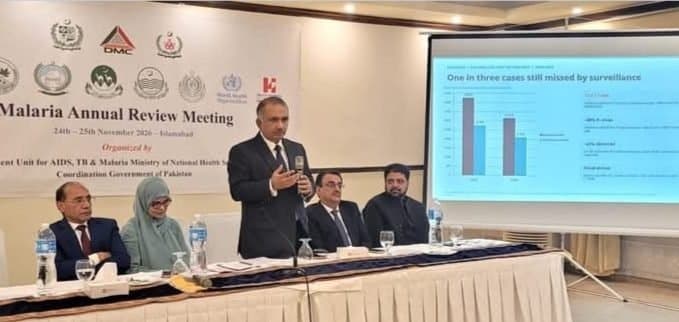
The system was inaugurated by Additional Secretary, Ministry of National Health Services, Regulations and Coordination, Laiq Ahmad at a ceremony attended by senior government officials, development partners and healthcare professionals. The launch brought together the people who run the capital’s health services and the partners who support them, marking the start of a new digital system for the territory.
District Health Officer Islamabad Dr. Syeda Rashida Batool highlighted the initiative’s vision of further strengthening the digital health information system by integrating data from all health programmes into DHIS2. She said bringing the data of every health programme into one system would give health managers a fuller and more reliable picture of what is happening on the ground.
ADاشتہار / AdvertisementGoogle Ad
She also outlined plans to develop unified dashboards and gradually move towards Electronic Medical Records (EMRs) to improve the management and accessibility of health information. The dashboards would put key health information in one place for decision-makers, while electronic medical records would make individual patient information easier to manage and to reach when it is needed.
The initiative aims to enhance data quality, strengthen disease surveillance, improve performance monitoring and support informed decision-making for better healthcare delivery in the federal capital. Better data, according to the health office, means problems can be spotted earlier, outbreaks tracked more closely and services directed where they are needed most.
By improving the way health information is collected and used, the system is intended to help the capital’s health services respond faster and plan better. Reliable, timely information is the foundation of the evidence-based decision-making that the launch is designed to support.
The launch also supports the United Nations Sustainable Development Goals, particularly SDG 3, which focuses on good health and well-being, and SDG 17, aimed at strengthening partnerships for sustainable development. The health office said the new system would help Islamabad play its part in those wider goals, improving health services in the capital while working with partners to sustain the progress.
Related Coverage