

ADاشتہار / AdvertisementGoogle Ad
Naqvi: Terrorism, hate speech are Pakistan’s red linesPakistan
Interior Minister Mohsin Naqvi has set four non-negotiable red lines for social media, vowing zero compromise while protecting freedom of expression.

Share:
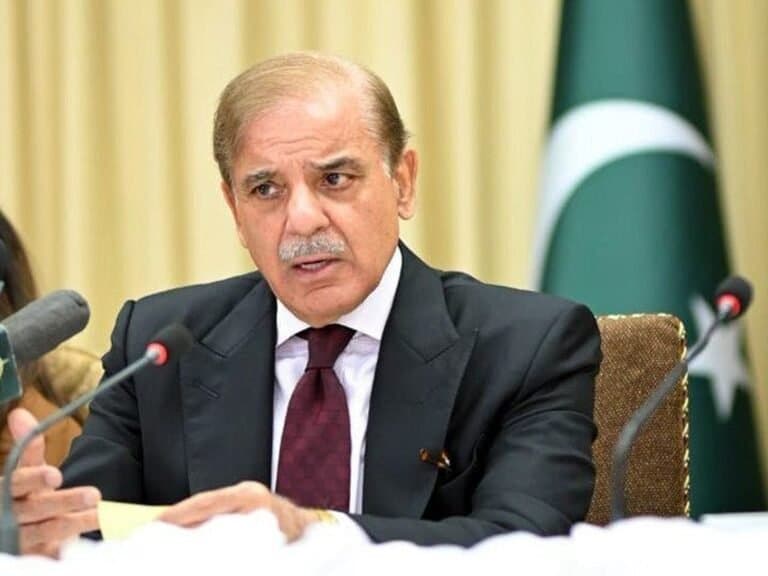
Interior Minister Mohsin Naqvi has declared four non-negotiable red lines for social media in Pakistan: terrorism, hate speech, incitement to violence and child exploitation. He was addressing an international seminar titled “Social Media Platforms and the Post-Truth Era”, organised by the Sustainable Development Policy Institute (SDPI) in Islamabad on Tuesday.
Naqvi said there would be zero compromise on the four red lines, while freedom of expression would continue to be protected. He said the state should not feel helpless in the face of the misuse of online platforms, adding: “The state should not feel helpless, yet we see terrorist groups still recruiting, raising funds and spreading fear on social media platforms.”
ADاشتہار / AdvertisementGoogle Ad
The interior minister said the Balochistan Liberation Army (BLA) is a declared terrorist organisation, yet many of its operatives were still using social media platforms. “If your country has blacklisted this organization and you don’t act, that is a big question mark. We are just asking for an answer,” he said, in remarks directed at the platforms.
Naqvi’s comments underline the government’s position that online platforms must act against content linked to terrorism and violent extremism, rather than leaving it to circulate unchecked. He made clear that the demand for action was not aimed at curbing legitimate debate, but at stopping the use of social media for recruitment, fundraising and spreading fear.
The seminar, hosted by the SDPI in the federal capital, brought the focus onto the challenges posed by social media in an era of misinformation, where false and misleading content can spread rapidly. Naqvi’s address framed the issue as one of public safety as much as regulation, arguing that the state could not remain a bystander while banned groups exploited digital spaces.
According to the report, the minister stressed that protecting freedom of expression and enforcing the red lines were not contradictory goals. The state’s approach, he indicated, is to draw a firm line at content that promotes terrorism, spreads hatred, incites violence or exploits children, while allowing free expression within those bounds.
The remarks come as governments around the world continue to press social media companies to take stronger action against extremist and harmful content. Naqvi’s message to the platforms was direct: where an organisation has been blacklisted, inaction by the platform raises serious questions, and the state is entitled to ask for an answer.
Related Coverage