


ADاشتہار / AdvertisementGoogle Ad
ECC Approves Export of 416,000 Tonnes of SugarPakistan
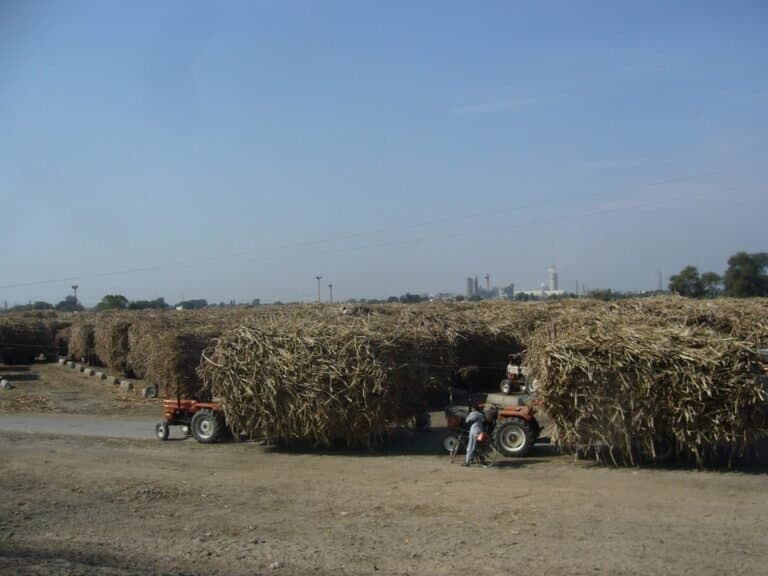
The latest approval follows two earlier permissions this season and comes as mills press to clear a surplus estimated at around 1.3 million tonnes, while the crushing season in Punjab has barely begun.
Share:
Pakistan’s Economic Coordination Committee (ECC) has approved the export of another 416,000 tonnes of sugar, the third such permission in four months, taking the total quantity cleared for export this season to 724,000 tonnes.
The decision was taken at a meeting of the committee in Islamabad on Friday, 20 November, and was confirmed to The Express Tribune by National Food Security Minister Rana Tanveer Hussain. The minister said the crushing season was about to begin and there was no shortage of sugar in the country.
ADاشتہار / AdvertisementGoogle Ad
Of the 416,000 tonnes, 400,000 tonnes were recommended by the Cabinet Committee on Export of Sugar, headed by Deputy Prime Minister Ishaq Dar, and a further 16,000 tonnes were approved for Sindh. The Finance Ministry did not disclose the quantity in its official statement.
Third permission in four months
The latest approval follows two earlier permissions. In August, the ECC allowed 108,000 tonnes of imported sugar to be exported, and in mid-September it cleared a further 200,000 tonnes of locally produced sugar.
The sugar industry has pressed for exports for months. The Pakistan Sugar Mills Association has sought permission to export one million tonnes since February, saying large unsold stocks are piling up in warehouses. Its outgoing chairman, Chaudhry Zaka Ashraf, recently put the surplus at around 1.3 million tonnes.
The delay in clearing stocks has also held up the crushing season. As of 18 November, only one of Punjab’s 47 sugar mills had begun regular operations, and growers say the delay is reducing the weight and value of standing cane. The only mill reported to be buying cane was offering less than Rs350 per maund, below growers’ production costs.
IMF backdrop
The approval came days before a meeting of the International Monetary Fund’s executive board, which is due to consider Pakistan’s request for the fifth $1 billion tranche of its $7 billion programme, along with a further $200 million under a climate facility.
The decision also came although Pakistan has not met an IMF condition to deregulate the sugar sector fully and end the government’s role in exporting and importing the commodity. Finance Secretary Imdadullah Bosal told the ECC that one province had refused to agree. Finance Minister Muhammad Aurangzeb, who chaired the meeting, stressed the need for deregulation at the same sitting.
The procedure has also drawn attention. The sugar summary was not circulated to the relevant ministries and was not part of the ECC’s regular agenda; it was taken up as an additional item, which the ECC chairman has the authority to table.
For millers, the quota is a chance to sell at international prices while domestic cane costs remain administratively set. For growers, the government says the programme is meant to support cane prices at the start of crushing. For consumers, the risk runs the other way: sugar leaves the country while domestic production is estimated below consumption, leaving imports or higher retail prices to fill the gap.
The government has not disclosed how the 416,000 tonnes will be allocated among mills or when shipments will begin. The same meeting also eased export financing conditions for small and medium enterprises and approved supplementary grants, including Rs1 billion for the Pak-Arab Pipeline Company and Rs100 million for the Minorities Welfare Fund.
Related Coverage