
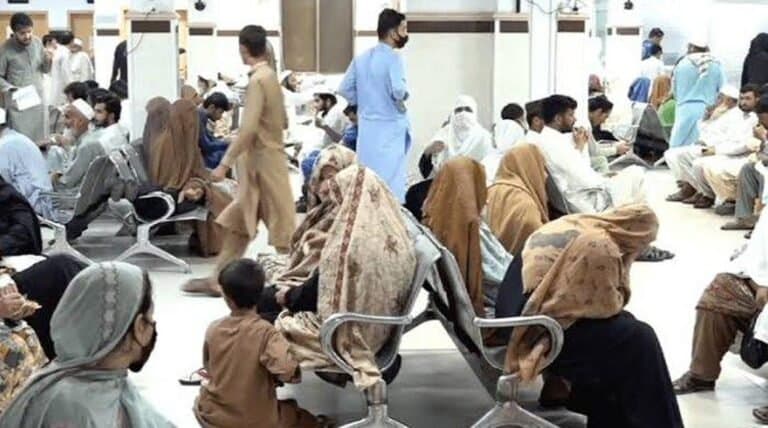
Khyber Pakhtunkhwa is facing a severe shortage of doctors, with only 8,024 doctors available for a population of more than 40 million people, which means there is just one doctor for every 5,000 to 6,000 people, according to a report in Jang and The News cited by Geo News.
The report says more than 200 government medical centres of various kinds across the province are non-functional. The strain on the public health system is also visible in hospital capacity: government hospitals in the province have 18,432 beds available, while 64,000 beds are needed to meet demand.
The figures underline how thinly stretched the province’s public health services are. With one doctor for several thousand people, patients in many districts face long waits and long journeys to reach a functioning hospital, and the shortage is felt most acutely in the province’s remote and former tribal districts.
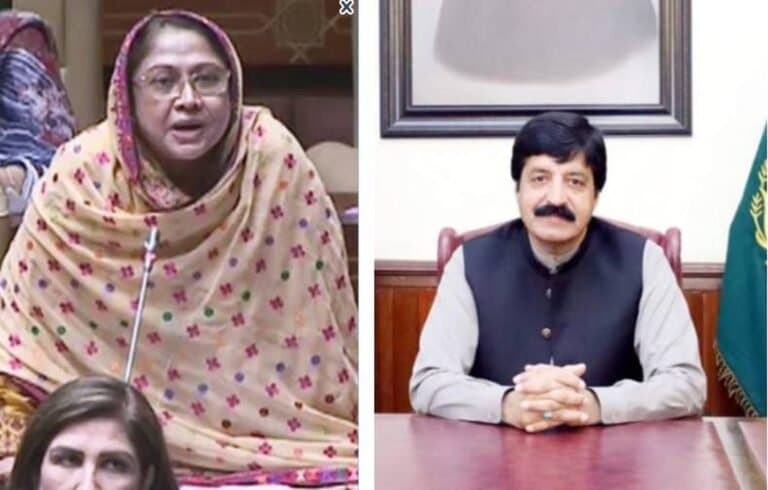
Health Adviser Lieutenant General (retired) Nigar Johar was briefed on the situation, and decisions have been taken to amend the Medical Teaching Institutions Act and to audit hospitals, the report said. Flaws in the Sehat Card health insurance scheme will also be removed and the scheme will be improved, she told the briefing.
The provincial government has been under pressure over the state of public hospitals for some time. A report in The Express Tribune on 8 November said that despite 13 years of Pakistan Tehreek-e-Insaf rule in the province, public hospitals continued to face shortages of medicines, basic facilities and treatment, prompting residents to question the benefits of successive reforms.
Residents told the newspaper that patients suffering from cancer and other serious diseases continued to struggle to obtain treatment and medicines at public hospitals. The situation was particularly difficult for residents of remote districts and tribal areas, including Mohmand, Bajaur and Kurram, where basic healthcare facilities remained inadequate, the report said.
Khyber Pakhtunkhwa Governor Faisal Karim Kundi has said he received numerous complaints about the province’s healthcare system. Residents have also raised concerns about the Sehat Card programme, the establishment of boards of governors in public-sector hospitals and the institution-based practice system, according to the report.
The shortage of doctors and the closure of health centres come at a time when the provincial government is reviewing its health policies. The decisions announced at the briefing, including amendments to the Medical Teaching Institutions Act, hospital audits and improvements to the Sehat Card, are aimed at strengthening a system that, according to the report, is currently unable to meet the needs of the province’s population of more than 40 million.